

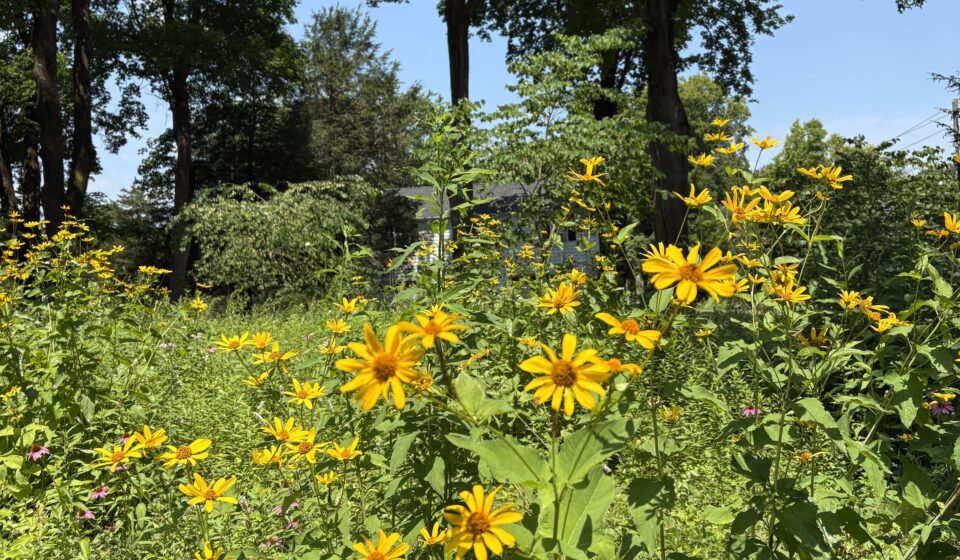
Bedford Hills, NY — Westchester Land Trust (WLT), a nationally accredited land conservation nonprofit based in Bedford Hills, NY, is expanding its efforts to protect native pollinators and restore healthy habitats across Westchester and eastern Putnam counties. The work includes hands-on meadow restoration, invasive species removal, and public education. It will be funded by a two-year grant totaling $200,000 by the Office of the New York State Attorney General through the New York Pollinator Conservation Fund, in partnership with The New York Community Trust.
With this support, WLT will maintain and enhance pollinator habitats in both meadows and forests and expand native wildflower populations. The grant also funds the care of 700 native trees planted in 2024 and robust invasive species control, including eradicating European black alder and using goat grazing and mechanical methods.
Community engagement is vital for the success of this work. WLT is hosting a series of volunteer stewardship days throughout the year where community members can help care for young trees and remove invasive plants. These hands-on efforts not only improve habitat for pollinators but also strengthen the connection between people and the land. No experience is needed to participate, and all ages are welcome. Information about upcoming volunteer opportunities can be found at westchesterlandtrust.org. As part of this work, WLT will also develop educational materials, such as signs and guides for private landowners to help extend these benefits across the landscape.
This new funding builds on WLT’s ongoing forest health initiative, which launched last year thanks to a $100,000 gift from an anonymous donor. That gift enabled WLT to plant hundreds of native trees, install a 10-acre deer exclosure to support natural regeneration of trees, and engage youth conservation groups in restoration efforts. Together, these projects help create healthier forests that provide essential habitat and food sources for native pollinators, while building climate resilience for communities across the region.
“Pollinators are the invisible workforce sustaining our ecosystems, farms, and communities,” said Kara Whelan, president of Westchester Land Trust. “This generous support from the Office of the New York State Attorney General, the New York Pollinator Conservation Fund, and The New York Community Trust empowers us to take action by restoring habitat, mobilizing volunteers, and helping people understand how they can support pollinators right in their own communities.”
Ben Kleist, preserve manager at Westchester Land Trust, emphasized that the region’s forests are just as vital to pollinator health as meadows and gardens. “Healthy forests provide shelter, food, and nesting sites for a wide variety of native pollinators,” Kleist said. “We’re excited to work with our dedicated volunteers to restore forest edges, remove invasive species, and plant diverse native species, to create a resilient, connected landscape that supports pollinators and countless other species, including us.”
Native pollinators, including bees, butterflies, and other insects, play a crucial role in the region’s ecological and agricultural health. By enhancing diverse meadows, woodlands, and wetlands, WLT’s work contributes to a more resilient landscape for all species, including people.
WLT extends its deep gratitude to the Office of the New York State Attorney General, the New York Pollinator Conservation Fund, and The New York Community Trust for their partnership and commitment to ensuring a healthy, thriving environment for generations to come.
We acknowledge that our region is within the traditional territories of the Lenape people and that their culture and traditions live on today.

About Westchester Land Trust
Westchester Land Trust works with public and private partners to preserve land in perpetuity and to enhance the natural resources in Westchester and eastern Putnam counties—a densely populated region under persistent threat from the pressures of development. Founded in 1988, WLT has preserved 9,622 acres of open space. More than 1,360 acres of land are owned by the organization which are free and open to the public year-round. WLT was one of the first land trusts in the nation to receive accreditation through the Land Trust Accreditation Commission.
More Enhancement Initiatives
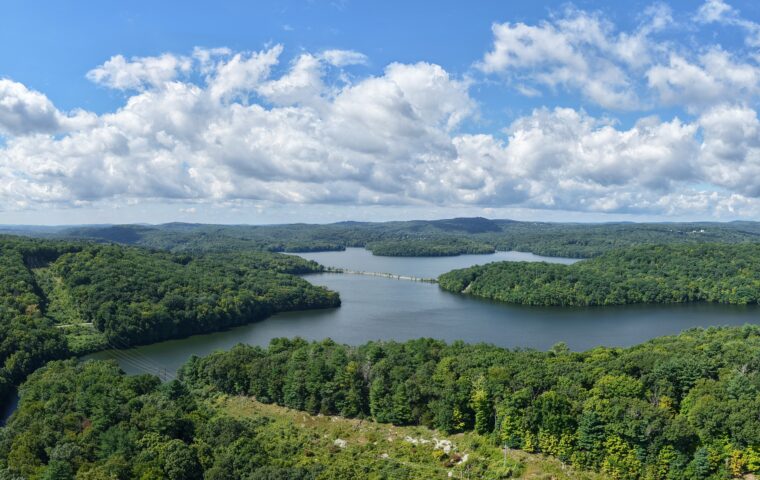
Westchester Land Trust Awarded $100,000 in State Grants to Protect Land and Strengthen Conservation Efforts
October 5, 2026
Continue Reading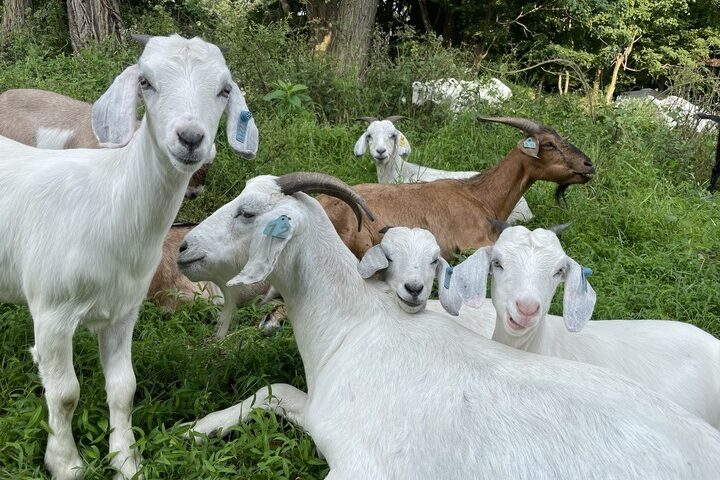
Westchester Land Trust Brings Conservation Goats to Tom Burke Preserve in Bedford to Help Restore Pollinator Habitat
May 14, 2026
Continue Reading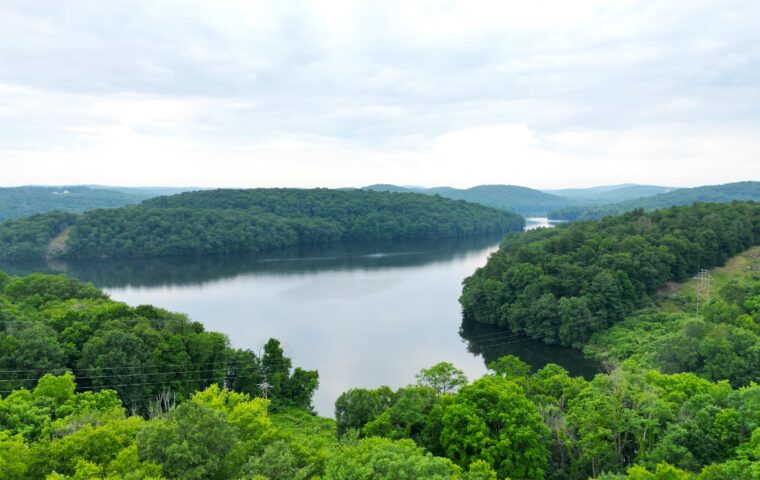
Westchester Land Trust Awarded $123,500 Grant to Advance Bat Conservation at Lodestone Preserve in Southeast
March 13, 2026
Continue ReadingMore Enhancement Initiatives
Westchester Land Trust Awarded $100,000 in State Grants to Protect Land and Strengthen Conservation Efforts
October 5, 2026
Continue Reading
Westchester Land Trust Brings Conservation Goats to Tom Burke Preserve in Bedford to Help Restore Pollinator Habitat
May 14, 2026
Continue Reading
Westchester Land Trust Awarded $123,500 Grant to Advance Bat Conservation at Lodestone Preserve in Southeast
March 13, 2026
Continue Reading
